

Natural Solutions for Every Skin Type and Concern
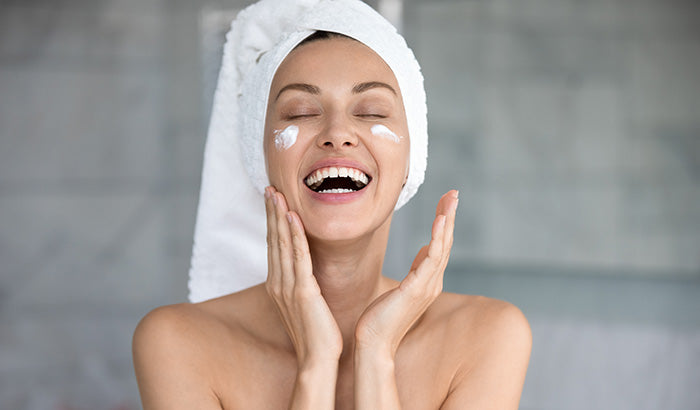
Most people overspend on skincare because they are treating the wrong problem. They buy a product for acne when their real issue is a compromised barrier from over-cleansing. They buy a heavy cream for dry skin when the dryness is caused by the wrong face wash stripping their natural oils. Understanding your skin type and what it actually needs is the foundation of every effective skincare routine.
This guide is the hub for Kalahari Rose's skin concerns cluster. It covers how to identify your skin type, how skin types differ from skin concerns, and the natural solutions that work for each. The deeper posts in this cluster go further on specific concerns, products, and approaches.
The Skin Concerns Cluster: Posts Worth Reading
This guide links out to a set of more focused posts on specific concerns and products:
- Essential Skincare Routines for Every Skin Type gives full morning and evening routines tailored to dry, oily, combination, and sensitive skin.
- Face Cream vs Moisturizer: What Is the Difference? explains when you need a cream versus a lighter lotion and how to decide which format works for your skin.
- Anti-Aging Skin Cream: What Actually Works covers the ingredients with clinical evidence behind them and what to ignore in the anti-aging product space.
- Natural Anti-Aging Skincare: A Realistic Guide focuses specifically on plant-based anti-aging approaches, from Bakuchiol to antioxidant-rich oils.
- How Eye Cream Makes You Look Younger breaks down exactly what eye creams do, which ingredients matter, and how to apply them correctly.
- 4 Things Eye Cream Can Actually Fix takes a focused look at the four specific concerns, dark circles, puffiness, fine lines, and dehydration, that a good eye cream addresses.
- Hydrating Skincare Tips That Actually Work covers the science of skin hydration and practical techniques that go beyond just applying more moisturizer.
- Revitalizing Skin: How to Restore a Dull, Tired Complexion addresses what causes skin to look dull and the targeted approaches that bring back radiance.
Skin Type vs Skin Concern: An Important Distinction
These two terms get confused constantly, including on product labels. Your skin type is your skin's baseline behavior, determined primarily by genetics, age, and hormones. The five skin types are dry, oily, combination, sensitive, and normal. Your skin type can shift with age, season, climate, or hormonal changes, but it is fundamentally how your skin behaves when left alone.
A skin concern is a specific condition you want to address or improve: acne, hyperpigmentation, fine lines and wrinkles, dullness, enlarged pores, redness, or dehydration. You can have any combination of skin concerns layered on top of any skin type. Oily skin with hyperpigmentation requires a different approach to oily skin without it. Dry skin with acne (which is more common than people think) requires different products to dry skin without breakouts.
This distinction matters because many people select products based on their concern without accounting for their skin type, and end up with products that address one issue while making another worse. A heavy, occlusive anti-aging cream is the right choice for dry mature skin and the wrong choice for oily mature skin. Identifying both your type and your concerns is the first step to getting your routine right. For complete routines organized by skin type, see essential skincare routines for every skin type.
How to Identify Your Skin Type
The bare-face test is the most reliable method. Cleanse your face with a gentle, unfragranced cleanser, pat dry, and wait 60 minutes without applying any products. Then look at and touch your face in a good light.
Dry skin feels tight, may show flaking or dry patches, and often looks dull or flat. It can feel rough to the touch. Dry skin produces less sebum than average, which means its natural barrier is thinner and less effective at retaining moisture. Oily skin looks shiny across most of the face and feels greasy to the touch. The shine is typically visible within an hour or two of cleansing. Oily skin is prone to enlarged pores, blackheads, and breakouts, but it tends to age more slowly than dry skin because the sebum helps maintain moisture levels.
Combination skin is shiny in the T-zone (forehead, nose, and chin) but normal or dry on the cheeks. This is the most common skin type. Sensitive skin reacts to new products, temperature changes, or environmental triggers with redness, itching, stinging, or visible inflammation. It is not a separate category so much as a modifier that can apply to any other type. Normal skin is balanced, neither visibly oily nor dry, and reacts well to most products. Genuinely normal skin is less common in adults than most people assume.
Natural Solutions for Dry Skin
Dry skin needs two things: barrier reinforcement and reduced water loss. The best natural approach is to cleanse with a cream or oil-based cleanser that does not strip the skin's natural lipids, then apply a facial oil rich in oleic acid while the skin is still slightly damp to seal in moisture, then follow with a richer cream or balm if needed.
Marula Oil is the standout ingredient for dry skin. It has an oleic acid content of around 70 to 78 percent, a naturally high vitamin E content, and an exceptionally stable fatty acid profile that resists oxidation. It sinks in quickly without feeling greasy and provides sustained nourishment over several hours. Baobab Oil adds a broader vitamin profile (A, D, E, and F) and works well layered under or mixed with Marula for very dry skin.
For dry skin with fine lines, adding a Bakuchiol serum or a vitamin C serum (applied under the oil layer) addresses both the barrier issue and the anti-aging concern simultaneously. Avoid alcohol-heavy toners and products with sulfates, which will strip the barrier further. For a detailed look at the best products for dry, dull skin and how to approach restoration, see our post on revitalizing skin.
Natural Solutions for Oily and Acne-Prone Skin
The instinct with oily skin is to strip it: use strong cleansers, alcohol-based toners, and avoid all oils. This is counterproductive. Aggressive cleansing strips the barrier, which triggers the skin to produce more sebum to compensate, creating a cycle of overproduction. The most effective natural approach to oily skin is to balance the barrier rather than attack it.
The right facial oil for oily skin is linoleic-acid-dominant and low on the comedogenic scale. Kalahari Melon Seed Oil has a comedogenic rating of 0 and a linoleic acid content of 63 to 68 percent. Research on the sebum of acne-prone skin consistently shows it contains lower levels of linoleic acid than non-acne-prone skin. Applying a linoleic-rich oil helps restore this balance and reduces the likelihood of pore blockages forming. A small amount, two to three drops, applied after a gentle water-based cleanser and before a lightweight moisturizer is the standard approach.
For acne-prone skin, niacinamide (vitamin B3) at 4 to 5 percent is worth including in a serum step. It reduces sebum production, minimizes pore appearance, and has anti-inflammatory properties. Avoid heavy, occlusive creams with high-comedogenic ingredients like coconut oil, cocoa butter, and shea butter at the top of the ingredient list. The Whisper Face Serum is built around Kalahari Melon Seed Oil and is specifically designed for oily and combination skin.
Natural Solutions for Combination Skin
Combination skin benefits from a targeted approach rather than a single product applied all over. The T-zone typically needs lightweight, pore-friendly products. The cheeks need more nourishment. This does not have to mean two separate full routines. It usually means applying a lightweight facial oil mainly to drier areas and using a non-comedogenic moisturizer everywhere.
A cleanser that removes excess oil from the T-zone without stripping the cheeks is the key starting point. Gel cleansers that do not contain sulfates work well for most combination skin. A light water-based serum applied all over, followed by a small amount of Kalahari Melon Seed Oil focused on drier zones, then a lightweight cream or lotion, is a workable structure for most combination skin types.
Natural Solutions for Sensitive Skin
Sensitive skin needs simplicity above everything else. The fewer ingredients in a product, the lower the chance of a reaction. The most common triggers in conventional skincare are synthetic fragrance, alcohol denat, chemical preservatives, and certain surfactants. Switching to fragrance-free, sulfate-free, and paraben-free formulations is the first and most impactful step for reactive skin.
Plant oils are generally well-tolerated by sensitive skin because they are single-ingredient (or close to it) and do not contain the preservative or fragrance systems that cause most reactions. Kalahari Melon Seed Oil and Marula Oil are both well-tolerated across skin types, including sensitive. Rooibos extract, with its anti-inflammatory properties, is a useful active for calming reactive skin. When introducing any new product to sensitive skin, patch test on the inner forearm for 48 hours before applying to the face.
Natural Solutions for Mature Skin
Aging skin loses lipids from the barrier, produces less collagen, and turns over more slowly. The result is dryness, loss of firmness, dullness, and deepening of fine lines. Natural anti-aging skincare addresses all three of these mechanisms: barrier repair (with the right oils), collagen support (with vitamin C and Bakuchiol), and cell turnover support (with gentle exfoliation and antioxidants).
Bakuchiol deserves its reputation as the best plant-based retinol alternative. Unlike synthetic retinol, it does not cause photosensitivity, does not require the month-long adjustment period of redness and flaking, and is safe during pregnancy. Studies comparing Bakuchiol to 0.5 percent retinol showed comparable reductions in fine lines, pigmentation, and skin roughness. For a full breakdown of Bakuchiol versus retinol and other plant-based anti-aging options, see natural anti-aging skincare: a realistic guide.
Marula Oil's combination of oleic acid and tocopherol (vitamin E) makes it particularly useful for mature skin. The oleic acid reinforces the barrier and provides sustained hydration. The tocopherol acts as a fat-soluble antioxidant that scavenges free radicals directly in the skin's lipid layer. The Royal Serum is built around Marula and is the core recommendation for dry and mature skin in the Kalahari Rose range.
The Role of Face Cream and Moisturizer
Not everyone needs both a facial oil and a cream. The question of whether you need a separate moisturizer depends on whether your oil layer provides enough occlusion. For oily and combination skin, a facial oil alone is often sufficient. For dry and mature skin, a richer cream adds an occlusive layer that limits water loss more effectively than an oil alone.
A face cream and a moisturizer are not the same thing. Moisturizers are typically lighter emulsions designed to add water to the skin. Face creams are richer, thicker formulations with a higher oil-to-water ratio that provide more barrier support. Which one is right depends on your skin type and the climate you live in. For a detailed comparison, see face cream vs moisturizer: what is the difference. The Kalahari Face Cream is formulated for dry and mature skin that needs substantial barrier support.
Eye Cream: What It Actually Does
The periorbital area, the skin directly around the eye, is two to five times thinner than the skin on the rest of the face. It has fewer oil glands, which means it dries out faster, and it experiences more mechanical stress from blinking (averaging 15,000 to 20,000 blinks per day). These factors make the eye area one of the first places to show aging.
A dedicated eye cream is formulated to be gentle enough for the periorbital area, typically free of fragrance and high-irritation actives, and often concentrated with ingredients that target the specific concerns of the eye area. The four main concerns are dark circles, puffiness, fine lines, and dehydration. Not all eye creams address all four. For a detailed breakdown of each concern and what actually helps, see 4 things eye cream can actually fix and how eye cream makes you look younger.
Hydration: More Than Just Moisturizer
Skin hydration is not simply a matter of applying more product. It is a system: humectants draw water in, occlusives prevent it from leaving, and a healthy barrier keeps both functions operating correctly. Most people focus only on one part of this system and wonder why their skin still feels dry.
Drinking enough water helps but is not a direct solution to skin dehydration. Topical hydration works more efficiently. The most effective approach is layering: a humectant (hyaluronic acid, glycerin, or aloe vera) applied to damp skin first, then an oil or cream to seal it in. Without the occlusive layer, humectants can actually pull water out of the deeper skin layers when the environment is very dry. For practical techniques that address skin hydration more systematically, see hydrating skincare tips that actually work.
Building Your Routine Around Your Skin Type
The simplest effective routine for any skin type follows the same structure: cleanse, treat, moisturize, protect. The products you choose within each step change based on your skin type and concerns. For oily skin, the cleanser can be slightly more clarifying, the treatment can include niacinamide, and the moisturizer can be lightweight. For dry skin, the cleanser should be cream-based, the treatment can include Bakuchiol or vitamin C, and the moisturizer should be richer.
Two things apply across all skin types: SPF in the morning is non-negotiable for any anti-aging or brightening goal, and consistency over six to eight weeks matters more than the specific products you choose. Most natural skincare failures are not failures of the product. They are failures of consistency or of giving the product enough time to work. For full morning and evening routines by skin type with specific product recommendations, see essential skincare routines for every skin type.
Frequently Asked Questions
How do I find out my skin type?
Use the bare-face test: cleanse, wait 60 minutes with nothing applied, then observe. Tight and flaky is dry. Uniformly shiny is oily. Shiny T-zone with normal cheeks is combination. Reactive, red, or irritated is sensitive. Normal is balanced with no strong tendencies either way.
Can oily skin use facial oils?
Yes. The key is choosing non-comedogenic, linoleic-acid-rich oils like Kalahari Melon Seed Oil (comedogenic rating 0). These help regulate sebum production over time rather than adding to it. Avoid oleic-heavy oils like coconut oil or cocoa butter if you are acne-prone.
What is the difference between a skin type and a skin concern?
Skin type is your baseline behavior (dry, oily, combination, sensitive, normal). A skin concern is what you want to address (acne, hyperpigmentation, fine lines, dullness). You can have any concern on top of any type. Your routine needs to address your type first, then add targeted treatments for concerns.
Do I need eye cream if I already use a face moisturizer?
Not necessarily, but the periorbital skin is significantly thinner and more delicate. A dedicated eye cream is most useful if you are targeting dark circles, puffiness, or crow's feet specifically. For general hydration, a gentle facial oil or cream applied lightly around the orbital bone works for many people.
How long does it take to see results from a new natural skincare routine?
Skin cell turnover takes 28 to 40 days, so evaluate any new routine at the four to six week mark. Texture and hydration improvements come faster, often within days. Pigmentation, tone, and anti-aging results take three to six months. Consistency matters more than product strength for long-term results.

