

Natural Skincare Ingredients: What They Do and Why They Work
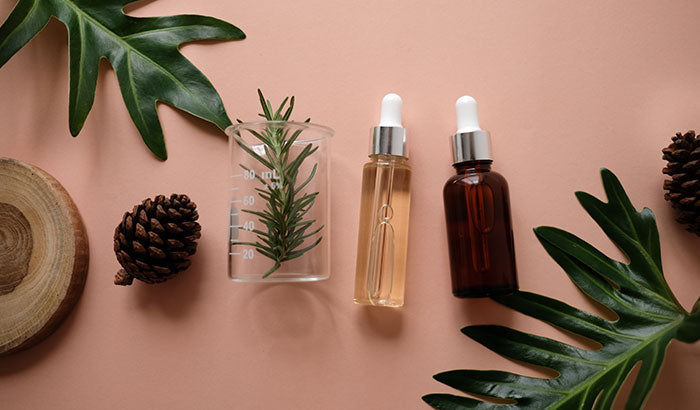
Pick up any skincare product and turn it over. The ingredient list is where the real story is. Marketing can say almost anything on the front of the packaging. The ingredient list is regulated, standardized, and ordered by concentration. Once you know how to read it, you know what you are actually putting on your skin.
This guide covers the most important natural skincare ingredients and what they actually do, the chemicals most worth avoiding and why, how to read an INCI label, and where African botanical ingredients sit in relation to the mainstream alternatives. It is the hub for a set of deeper posts on individual topics within the ingredients space.
Why Ingredients Are Worth Understanding
The average person applies six to twelve personal care products daily, with a combined total of roughly 168 unique ingredients. Many of those ingredients have been in widespread use for decades with strong safety records. But some, particularly synthetic fragrances, certain preservatives, and a handful of hormone-disrupting chemicals, have accumulated enough evidence to be worth avoiding.
Understanding ingredients is not about fear. It is about making informed choices rather than relying entirely on marketing language. A product can be labeled "natural," "clean," "gentle," and "dermatologist-tested" while still containing ingredients that irritate sensitive skin or raise legitimate safety questions. The ingredient list does not lie. For a full explanation of why this matters and how to approach it, see our post on why you should care about the ingredients in your skincare products.
The Natural Ingredients Cluster: Posts Worth Reading
This guide is the hub for a set of posts covering the ingredient landscape in more depth:
- 5 Best Natural Ingredients for Your Skin covers the top-performing naturals with the strongest evidence behind them.
- Why You Should Care About the Ingredients in Your Skincare Products makes the case for ingredient literacy in plain language.
- 6 Chemicals You Should Avoid in Skincare Products is a comprehensive guide to the most common problematic ingredients and why they matter.
- Bad Chemicals in Skincare Products: What You Need to Know goes deeper on the mechanism behind why certain synthetic chemicals cause problems.
- 8 Ingredients to Look Out for If You Have Sensitive Skin focuses specifically on the sensitizing ingredients most likely to trigger reactions in reactive skin types.
- 8 Skincare Products to Avoid During Pregnancy and Why covers pregnancy-specific ingredient concerns, including retinoids, salicylic acid, and chemical UV filters.
- How Antioxidants Work in Skincare (And Why Not All Are Equal) explains the free radical mechanism, how antioxidants neutralize it, and why source and stability matter.
- What Is Transepidermal Water Loss and Why Does It Matter covers the science of moisture leaving the skin and how occlusive and humectant ingredients address it.
How to Read an Ingredient Label
Ingredients on a skincare label are listed in INCI format (International Nomenclature of Cosmetic Ingredients), ordered from highest to lowest concentration. The first five to seven ingredients typically account for the majority of the formula by weight. Anything listed after preservatives like phenoxyethanol is usually present at below one percent.
This matters because marketing often highlights ingredients that appear very low on the list. A moisturizer advertising Baobab Oil as its hero ingredient but listing it near the end of a 30-ingredient formula contains trace amounts at best. When evaluating a product, find the ingredient you are buying it for and see where it sits in the list. High up is good. Near the bottom, surrounded by preservatives and stabilizers, means it is a marketing ingredient rather than a functional one.
Knowing a few INCI names helps. Sclerocarya birrea kernel oil is Marula. Citrullus lanatus seed oil is Kalahari Melon Seed. Aspalathus linearis extract is Rooibos. Tocopherol is vitamin E. Ascorbic acid is vitamin C. Rosa canina fruit oil is rosehip. Once you know these, you can quickly locate specific ingredients anywhere on a label.
The Best Natural Ingredients and What They Do
Plant Oils: Barrier Repair and Hydration
Plant oils work by replenishing the lipids in the skin barrier, reducing transepidermal water loss, and delivering fat-soluble antioxidants and vitamins directly to the skin. Their effectiveness depends almost entirely on their fatty acid profile. Linoleic-rich oils like Kalahari Melon Seed Oil support the skin barrier and suit oily and acne-prone skin. Oleic-rich oils like Marula penetrate more deeply and suit dry and mature skin. For the full breakdown of why fatty acid profiles matter more than oil names, see our guide on oleic acid vs linoleic acid.
The most effective plant oils for general skincare are Kalahari Melon Seed Oil (linoleic, non-comedogenic, barrier-supporting), Marula Oil (oleic, antioxidant-rich, stable), Baobab Oil (broad vitamin profile, deeply nourishing), and Rosehip Oil (linoleic, contains trans-retinoic acid, useful for hyperpigmentation). For a ranked comparison, see our post on the 5 best natural ingredients for your skin.
Antioxidants: Defense Against Environmental Damage
Antioxidants neutralize free radicals, the unstable molecules generated by UV exposure, pollution, and metabolic processes that damage skin cells and accelerate aging. They are one of the most well-supported categories in skincare science.
Vitamin C (ascorbic acid) is the best-studied topical antioxidant. At concentrations of 10 to 20 percent, it reduces hyperpigmentation, stimulates collagen synthesis, and brightens overall skin tone. It is unstable and degrades quickly in the presence of light and air, so packaging and formulation matter significantly.
Rooibos extract contains aspalathin, a C-glucoside flavonoid unique to the Aspalathus linearis plant of South Africa. It has documented antioxidant and anti-inflammatory activity, making it particularly useful for reactive and environmentally stressed skin. Vitamin E (tocopherol) is a fat-soluble antioxidant that works synergistically with vitamin C and is naturally present in high concentrations in Marula Oil. For a detailed look at how antioxidants function at the cellular level and why source and stability affect their effectiveness, see how antioxidants work in skincare.
Humectants: Drawing Moisture In
Humectants attract water from the environment and from deeper skin layers and hold it in the upper skin layers. Hyaluronic acid is the most well-known, capable of holding up to 1,000 times its weight in water. It works best when applied to damp skin and sealed in with an oil or cream. Glycerin is a more affordable humectant with a similar function, present in many well-formulated cleansers and moisturizers. Aloe vera gel is a natural humectant with additional anti-inflammatory properties useful for sensitive and reactive skin.
Bakuchiol: The Plant-Based Retinol Alternative
Bakuchiol is extracted from the seeds of Psoralea corylifolia. Unlike plant oils that simply nourish the skin barrier, Bakuchiol has been shown in clinical trials to upregulate the same gene pathways as retinol, producing comparable improvements in fine lines and skin tone without the irritation, sun sensitivity, or pregnancy concerns associated with synthetic retinoids. It is one of the few plant-derived ingredients with genuine clinical evidence for anti-aging effects at the gene expression level. For a full comparison of Bakuchiol against rosehip, sea buckthorn, and synthetic retinol, see our post on natural retinol alternatives: which plant oils actually work.
Niacinamide: Barrier Support and Even Tone
Niacinamide (vitamin B3) is one of the most versatile skincare actives. At concentrations of two to five percent, it strengthens the skin barrier by stimulating ceramide synthesis, reduces redness and blotchiness, minimizes the appearance of pores, and inhibits melanin transfer (helping with hyperpigmentation). It is water-soluble, stable, and compatible with almost all other skincare ingredients. It also plays well with facial oils when applied in the correct order, water-based niacinamide serum first, then oil on top.
Ingredients Worth Avoiding
Synthetic Fragrance
Listed as "fragrance" or "parfum" on ingredient labels, synthetic fragrance is the single largest source of contact dermatitis in skincare. The term is a blanket descriptor that can cover hundreds of undisclosed chemical compounds. For sensitive skin, fragrance-free products are almost always the better choice. For a full breakdown of the problematic ingredients in conventional skincare, see bad chemicals in skincare products: what you need to know.
Parabens
Parabens (methylparaben, ethylparaben, propylparaben, butylparaben) are preservatives used extensively in conventional skincare. They are effective and have been used safely for decades, but research has found that some parabens mimic estrogen and can accumulate in tissue. The EU has restricted several parabens in cosmetics. Many brands have reformulated away from them as a precautionary measure. Alternatives include phenoxyethanol and naturally derived preservatives like sodium benzoate.
Sulfates
Sodium lauryl sulfate (SLS) and sodium laureth sulfate (SLES) are surfactants that create the foam in cleansers and shampoos. They clean effectively but can strip the skin's natural lipid layer, disrupting the barrier and triggering increased oil production or dryness. Sulfate-free cleansers maintain barrier integrity better, especially for dry, sensitive, or acne-prone skin. For specific ingredient concerns for sensitive skin, see 8 ingredients to look out for if you have sensitive skin.
Retinoids During Pregnancy
Retinol, tretinoin, and all retinoid derivatives are vitamin A compounds. Oral retinoids like isotretinoin are teratogenic at high doses. The risk from topical application is much lower, but the standard medical recommendation is to avoid all retinoids during pregnancy as a precaution. Bakuchiol is the recommended plant-based alternative that avoids this concern entirely. For the full list of pregnancy-specific ingredient concerns, see our guide on skincare products to avoid during pregnancy.
The Role of Transepidermal Water Loss
One concept that ties together everything about ingredients is transepidermal water loss, or TEWL. Water constantly evaporates from the skin's surface. A healthy skin barrier limits this evaporation. When the barrier is compromised (by harsh cleansers, incorrect products, or certain skin conditions), TEWL increases and the skin becomes dry, reactive, and more susceptible to damage.
Many of the best natural skincare ingredients work by reducing TEWL. Oils rich in linoleic acid reinforce the lipid structure of the barrier. Occlusive ingredients like shea butter and waxes form a physical layer that limits evaporation. Humectants draw water into the skin and hold it there. Understanding TEWL helps explain why the order you apply products matters and why using the right oil for your skin type produces better results than using a random oil. For the full explanation, see our post on transepidermal water loss and why it matters for your skin.
African Botanicals: Why Origin Matters
Not all plant oils are equal, even when they share a similar fatty acid profile. The conditions in which a plant grows affect the concentration of protective compounds in its seeds and fruits. Plants that evolved in extreme UV, low humidity, and wide temperature swings, conditions that parallel what ages human skin, tend to produce botanicals with higher antioxidant loads and more concentrated fatty acid profiles.
This is why the African botanical ingredients at the core of Kalahari Rose formulations consistently outperform their mainstream equivalents in stability and antioxidant content. Marula Oil is more resistant to oxidation than argan oil. Kalahari Melon Seed Oil has a more consistently non-comedogenic profile than rosehip. Rooibos contains a flavonoid, aspalathin, found nowhere else on earth. Geography and growing conditions are not marketing. They are chemistry. For a direct side-by-side, see African botanicals vs European botanicals: a skincare comparison.
How Kalahari Rose Approaches Formulation
Every product in the Kalahari Rose range starts with the question of what the skin needs, not what the formula needs to look or smell like. The range is built without synthetic fragrances, parabens, sulfates, silicones, or petrochemicals. All oils are cold-pressed and unrefined to preserve the full fatty acid and antioxidant profile. Ingredients are chosen for documented efficacy rather than marketing novelty.
For oily and combination skin, the Whisper Face Serum leads with Kalahari Melon Seed Oil and is designed to regulate rather than add to sebum. For dry and mature skin, the Royal Serum is built around Marula Oil for deep nourishment. The full range is designed so that ingredients work with the skin's biology rather than masking it.
Frequently Asked Questions
What are the most effective natural skincare ingredients?
The most consistently effective are: plant oils matched to your skin type (Kalahari Melon Seed for oily skin, Marula for dry skin), vitamin C as an antioxidant and brightener, Bakuchiol as a retinol alternative, niacinamide for barrier support, hyaluronic acid for hydration, and Rooibos extract for anti-inflammatory antioxidant protection.
How do I read a skincare ingredient label?
Ingredients are listed highest to lowest concentration. The first five to seven make up most of the product. Find the ingredient you are buying the product for and check how high it sits. Near the top is effective. Near the bottom, after preservatives, means it is present in trace amounts. INCI names are standardized: Sclerocarya birrea kernel oil is Marula, Citrullus lanatus seed oil is Kalahari Melon Seed.
Which skincare ingredients should I avoid?
The main ones worth avoiding: synthetic fragrance (parfum), parabens, sulfates (SLS, SLES), phthalates, formaldehyde-releasing preservatives, and for pregnant women, all retinoids and hydroquinone. For sensitive skin, also watch for alcohol denat near the top of a formula, which can disrupt the skin barrier.
What does fragrance-free actually mean on a skincare label?
It means no fragrance ingredients were added. This is different from unscented, which can include masking fragrances added to cover a product's natural smell. Fragrance-free is safer for sensitive skin. Still read the full ingredient list, as some natural essential oils can appear under their INCI names even in fragrance-free products.
Are natural skincare ingredients better than synthetic ones?
Not automatically. Natural does not mean safe or effective, and synthetic does not mean harmful. What matters is the specific ingredient, its concentration, and the evidence behind it. That said, synthetic fragrance, certain parabens, and a handful of hormone-disrupting chemicals in conventional skincare do have legitimate concerns that their natural alternatives avoid.

