

Natural Retinol Alternatives: Which Plant Oils Actually Work?
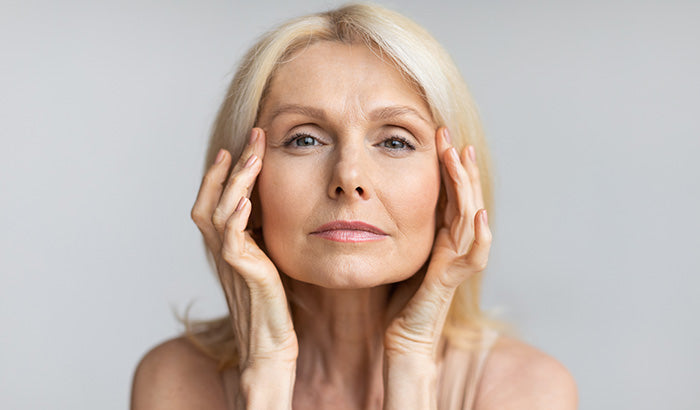
Retinol is the gold standard of evidence-based anti-aging skincare. But it's also irritating for many people, contraindicated during pregnancy, and requires careful introduction. Plant-based alternatives have attracted enormous interest as gentler options — but the efficacy claims vary widely. Here's what the science actually supports.
How Retinol Works
Retinol (vitamin A alcohol) is converted in the skin to retinoic acid, which binds to retinoid receptors and regulates gene expression, stimulating collagen production, accelerating cell turnover, and reducing hyperpigmentation. It's exceptionally well-researched and genuinely effective — but this same mechanism causes the initial irritation (retinoid reaction) many users experience.
Plant-Based Sources of Vitamin A Activity
Rosehip Oil: The Closest Natural Equivalent
Rosehip oil contains beta-carotene (a vitamin A precursor) and trace amounts of retinoic acid derivatives. Studies have shown rosehip oil can improve skin texture, reduce hyperpigmentation, and support collagen synthesis. The effect is milder than prescription retinoids but more tolerable for sensitive skin. If you can only choose one retinol alternative, rosehip oil is the most evidence-supported choice.
Bakuchiol: The Best Non-Retinoid Alternative
Bakuchiol is a meroterpene from Psoralea corylifolia seeds that has demonstrated retinol-comparable effects on fine lines and skin elasticity in clinical studies, without the irritation, photosensitivity, or contraindications. It's the most impressive "retinol alternative" currently available in skincare and the one most likely to provide meaningful results.
Sea Buckthorn Oil
One of the few plant oils naturally high in beta-carotene (giving it its intense orange color), sea buckthorn provides vitamin A precursor activity alongside omega-7 fatty acids (palmitoleic acid) that are rare in plant oils and beneficial for skin regeneration.
What Doesn't Work as a Retinol Alternative
Carrot seed oil is frequently marketed as a retinol alternative but its actual vitamin A content is negligible. Facial exercises, facial massage, and "natural facelift" techniques have no evidence base for reducing wrinkles comparable to retinoids. Marketing claims should always be evaluated against peer-reviewed evidence.
Our Recommendation
For a gentle, natural approach to anti-aging, we suggest pairing our antioxidant-rich botanical oils with consistent SPF use — which prevents the collagen degradation that creates wrinkles in the first place — alongside a rosehip oil for mild retinoid activity. Explore our face oils to build an evidence-informed natural anti-aging routine.

