

Face Oil vs Face Serum: Which One Does Your Skin Actually Need?
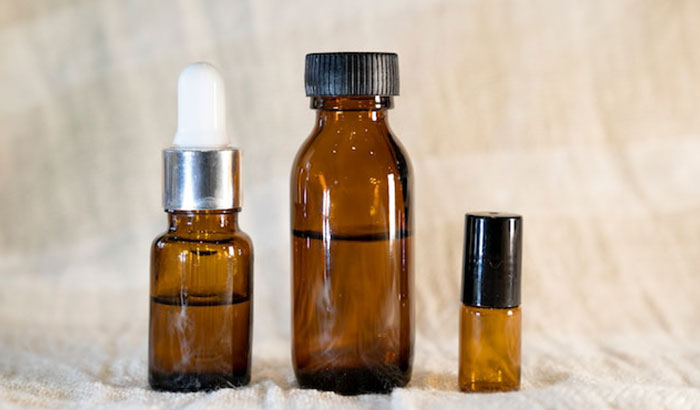
Face oils and face serums often get shelved next to each other in the beauty aisle and used interchangeably in marketing copy. They are not the same product. They do different things, they go on in a different order, and which one you need depends on what your skin is actually trying to do. Here is the practical breakdown.
What a Face Oil Does
A facial oil works at the level of the skin barrier. The outermost layer of healthy skin contains a mix of lipids, primarily ceramides, fatty acids, and cholesterol, that lock in moisture and keep irritants out. When this barrier is compromised, water evaporates faster (increasing transepidermal water loss), and the skin becomes dry, reactive, and more susceptible to environmental damage.
A facial oil replenishes the lipid layer directly. The specific fatty acid profile determines how it works: oils high in linoleic acid (like Kalahari Melon Seed Oil) reinforce the skin's structural lipid mix and suit oily and combination skin. Oils high in oleic acid (like Marula) penetrate more deeply and provide sustained nourishment for dry and mature skin. Beyond barrier function, plant oils deliver fat-soluble vitamins (particularly tocopherol/vitamin E) and antioxidants directly into the lipid layer where they are most bioavailable.
For a deeper comparison of how different oil types work for different skin concerns, see our existing guide on face oils vs face serums: understanding the difference.
What a Face Serum Does
A serum is a delivery vehicle for active ingredients at higher concentrations than a regular moisturizer can hold. The base is typically water or a light alcohol (for fast absorption), with a smaller molecular structure than a cream that allows actives to penetrate more effectively. Serums are how you get meaningful concentrations of vitamin C for brightening, hyaluronic acid for hydration, niacinamide for pore refinement and barrier support, Bakuchiol for retinol-like anti-aging effects, or targeted peptides for firmness.
The trade-off is that serums do not provide the barrier sealing function of an oil. A vitamin C serum applied without anything over it will do its work, but the skin is still losing moisture through evaporation. The standard approach for maximum effectiveness is to apply the serum first, let it absorb, then follow with an oil or cream to seal in the benefits.
Which One Do You Actually Need?
The honest answer is: it depends on what your skin lacks.
If your main issue is dryness, tightness, or a compromised barrier, and you are not targeting a specific concern like pigmentation or anti-aging, a high-quality facial oil may be all you need. Many people with straightforward dry or oily skin find that a well-chosen oil eliminates the need for a conventional moisturizer entirely.
If your main concern is something a specific active ingredient addresses, you need a serum. Hyperpigmentation needs vitamin C or niacinamide. Acne-prone skin benefits from niacinamide. Fine lines respond to Bakuchiol, retinol, or peptides. These are treatments that oils cannot replicate regardless of quality.
If you have both concerns, a layered approach works best. Serum first, oil second. For oily skin that wants barrier support and niacinamide, a niacinamide serum under a small amount of Kalahari Melon Seed Oil is a complete routine. For dry skin with anti-aging goals, a Bakuchiol serum under Marula Oil covers both.
Application Order: Getting It Right
The rule is always thinnest to thickest, and water-based before oil-based. Oil is occlusive: it sits on top of skin and creates a layer that other products cannot penetrate. If you apply your serum on top of an oil, the serum cannot absorb properly.
The correct order: cleanser, toner (if you use one), then any water-based serum, then your facial oil, then a heavier cream if needed, then SPF in the morning. Eye cream goes before the facial oil, applied gently around the orbital bone, not directly on the eyelid. For the full breakdown of how to layer products in the right order for maximum benefit, see our guide on how to layer skincare products in the correct order.
Product Recommendations
For oily and combination skin looking for a serum alternative that also controls sebum, the Whisper Face Serum is built around Kalahari Melon Seed Oil, which has a comedogenic rating of 0 and a linoleic acid content that actively helps regulate sebum production. It applies like an oil serum and replaces both a conventional serum and moisturizer for most oily skin types.
For dry and mature skin that needs both active treatment and nourishment, the Royal Serum combines Marula Oil (oleic acid, vitamin E, antioxidants) in a concentrated formula designed to work as both a treatment and a barrier-sealing step. It can be layered under a heavier face cream for very dry skin.
Frequently Asked Questions
What is the difference between a face oil and a face serum?
Face oils replenish the skin's lipid barrier and seal in moisture. Serums deliver active ingredients at concentrated doses. Oils are oil-based; most serums are water-based. They serve different functions and work best when layered together, serum first, oil second.
Should I use a face oil or a face serum first?
Serum first, then oil. Water-based products before oil-based ones. Applying an oil before a water-based serum creates a barrier that blocks absorption of the serum's actives.
Can oily skin use a face oil instead of a serum?
A facial oil can replace a moisturizer for oily skin. Whether it replaces a serum depends on what the serum was treating. For hydration only, yes. For active treatments like niacinamide or vitamin C, you still need the serum alongside the oil.
Do I need both a face oil and a face serum?
Not always. If you have no specific treatment concerns beyond hydration and barrier support, a good facial oil may be sufficient. If you have pigmentation, acne, or anti-aging goals, a serum addresses those specifically and the oil seals it in for maximum effect.
Which is better for anti-aging, a face oil or a serum?
A serum is the more targeted anti-aging tool because it delivers actives like Bakuchiol or vitamin C at effective concentrations. A quality facial oil like Marula provides real antioxidant and barrier benefit, but the strongest anti-aging results combine both.

