

African Botanicals vs. European Botanicals: A Skincare Comparison
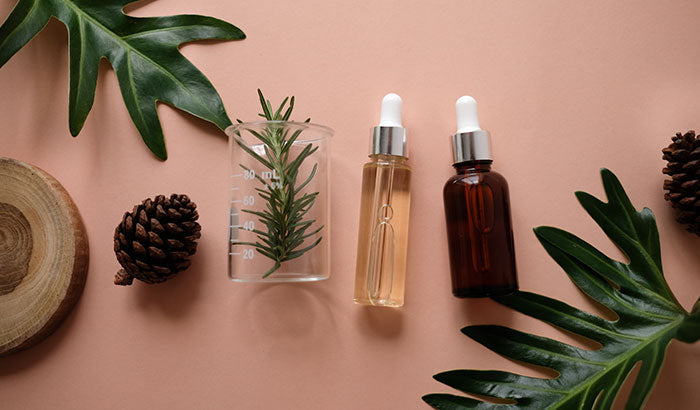
European botanical ingredients - rosehip, argan, lavender, calendula - have dominated the natural skincare market for decades. But a new wave of African botanicals is earning recognition from formulators and consumers alike, not through novelty but through genuine scientific merit. Here's how they compare.
The Case for African Botanicals
The African continent spans some of the most climatically extreme environments on Earth - from the Sahara and Kalahari deserts to sub-tropical coastal zones. Plants native to these environments have evolved under intense UV radiation, water scarcity, and temperature extremes. The result: unusually high concentrations of protective compounds including antioxidants, polyphenols, and highly stable fatty acids. What protects a plant in the Kalahari Desert has meaningful implications for protecting human skin.
Side-by-Side Comparison
| Ingredient | Origin | Key Benefit | Skin Type |
|---|---|---|---|
| Kalahari Melon Seed Oil | Southern Africa | Barrier repair, non-comedogenic | Oily, sensitive |
| Rosehip Oil | Chile/Europe | Vitamin A, hyperpigmentation | Dry, mature |
| Marula Oil | Sub-Saharan Africa | Deep moisture, antioxidants | Dry, mature |
| Argan Oil | Morocco | Squalene, elasticity | Dry, combination |
| Rooibos Extract | South Africa | Unique antioxidants, calming | All, sensitive |
| Calendula | Europe | Anti-inflammatory, wound healing | Sensitive, dry |
| Baobab Oil | Sub-Saharan Africa | Balanced moisture, vitamins | All types |
| Sea Buckthorn | Europe/Asia | Carotenoids, wound healing | Mature, damaged |
What African Botanicals Often Do Better
African botanicals frequently excel in antioxidant stability - a product of evolving under intense UV exposure. Kalahari melon seed oil, for instance, has notably better oxidative stability than rosehip oil - a difference explored in depth on our Kalahari Melon vs Rosehip comparison page. Rooibos contains antioxidants (aspalathin, nothofagin) found in no other plant on Earth. And marula oil's combination of high oleic acid with exceptional tocopherol levels makes it one of the most antioxidant-dense facial oils available anywhere.
Ethical Sourcing Matters
Choosing African botanical ingredients also supports rural communities and sustainable harvesting practices across the continent. At Kalahari Rose Naturals, our sourcing relationships are built on fair-trade principles that benefit the people and ecosystems that make these ingredients possible.
Explore our full product range to experience Africa's most powerful botanicals.

